loader image

Liturgical

Altar Servers

Maria Bilodeau
386-428-6426

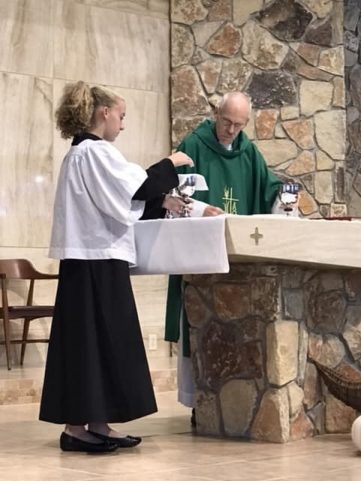
Provide assistance to members of the Sacred Heart & St. Gerard Parish clergy during religious services in supporting tasks at the altar such as holding the book, carrying the offertory gifts, leading the entrance procession with the cross. Altar Servers need to arrive at church at least 15 minutes before Mass starts. Before becoming an altar server, the sacraments of Baptism, Reconciliation and First Communion have to be received. Candidates should know how to follow directions and participate in the Mass. Training will be required of all candidates wishing to become altar servers. 

With that said, there is no age limit to serving and we would love to keep you until you graduate from college!  applause”>

I have two important requests:

Please note the following changes and reminders to the Altar Server duties: The time to set up the Altar occurs as soon as the ushers come down the center aisle to begin the collection. At this time the Cross Bearer will go to the back of the Church and Server 2 and 3 will set up the altar by placing the Roman Missal and the Chalice on the Altar. If there is only one server, the Processional Cross is not taken to the back of the Church. 

  • As soon as the Priest (Celebrant) comes around the Altar, the servers who are seated are to join the Celebrant to help with the gifts.  Place gifts on altar and immediately proceed to the credence table to continue with your assigned duties.
  • (Refer to your manual if you are unclear about them)
  • Fr. Tom will be consecrating the wine from the chalice that is set up on the Credence Table. It is important to carry the assembled chalice very carefully to avoid spillage. Always assume that the assembled chalice contains wine for consecration. Some priests will not be consecrating from the Common Communion Cup but again, carry with extreme caution.
  • Altar Servers will receive Communion in the sanctuary along with the Extraordinary Ministers of Holy Communion.

Arts & Environment

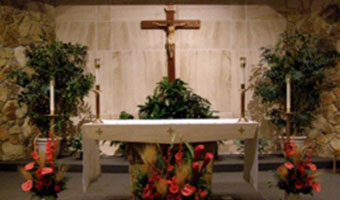
This ministry creates the seasonal liturgical atmosphere in the parish worshipping space and works with the Liturgical Ministry in creating the most prayerful environment possible for enriching our spiritual journey.

This ministry coordinates changes to the environment of our worship space to reflect the Church’s liturgical cycle, Holy Days, feasts and special celebrations.

Choir/ Cantor

Patricia Galbreath & Ellen Graf
428-6426

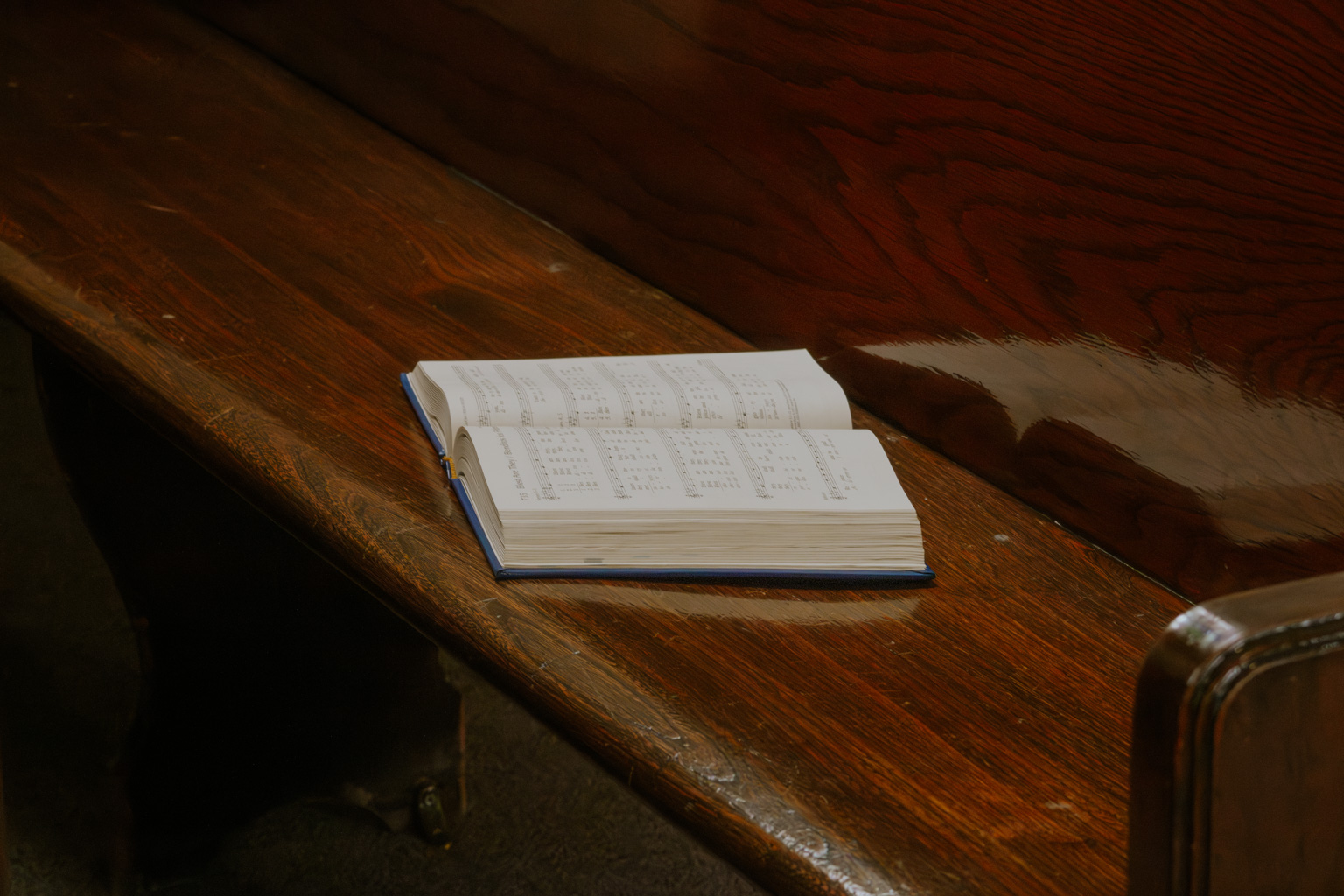
Those who offer their musical talents for leading the assembly in sung prayer are pastoral musicians that serve as accompanists, instrumentalists, cantors, and choir members. The Music Ministry enhances the liturgy with songs and instrumental music and also enriches the lives of the participants.

Singers: Anyone with a love and aptitude for music is welcome. An ability to read music is not a requirement.

Musicians: Anyone who can play an instrument at a proficient level is welcome.
“The Church earnestly desires that all the faithful be led to that full, conscious and active participation in liturgical celebrations called for by the very nature of the liturgy. In the reform and promotion of the liturgy, this full and active participation by all the people is the aim to be considered before all else.” (CCC #1141)

  • Choir Practice – Wednesday 6:30–8:00pm in the church (no practice during the summer)

Parish Choir membership is open to all parishioners ages 16 and up.

Extraordinary Ministers of the Eucharist

Eleanor Ingoldsby
Email
MaryAnn Murray
Email

Extraordinary Ministers of the Eucharist: “The Church was born of the paschal mystery. For this very reason the Eucharist, which is in an outstanding way the Sacrament of the paschal mystery, stands at the center of the Church’s life” (Ecclesia de Eucharistia, no.3). Since 1973, the Holy Father has given bishops permission to appoint extraordinary ministers of Holy Communion (EMC). The EMC’s assist with the distribution of communion whenever there is no ordinary minister (priests, deacons, or instituted acolyte*) to assist. They are engaged in the important role of distributing the Body of and Blood of Christ to the assembly; they also work to ensure that the reverence for the Blessed Sacrament is preserved; they are called to be living examples of the mercy of God by their compassion and service

Liturgy Committee

Sylvia McCormick
386-428-6426

The Liturgy Committee nourishes and gives direction to the liturgical aspect of parish life. This mandated Standing Committee ensures that the parishioners are provided with opportunities to deepen their faith through a variety of prayer experiences and liturgical experiences.

Responsibilities

  •  Preparation for worship: Celebrations for seasons and feast are prepared and accomplished with grace and prayerfulness and reflect the diversity of the People of God.
  •  Education and formation for liturgy: See that the committee itself, the liturgical ministers, the parish staff and the parish community are well-informed and well-grounded in liturgical spirituality.
  •   Provide multiple forms of prayer: liturgy of the hours, devotions, missions and days of reflection, etc. Develop systems for spiritual formation and support of parishioners through various study/prayer/reflection/support groups in collaboration with the Adult and Family ministry of the parish.
  •   Environment and Art: Ensure that the worship space is cared for, maintained, furnished and decorated with elements that are genuine and of a quality appropriate to the dignity of the community’s worship.
  •  Music: Advise the music minister in various areas concerning resources, ministers and repertoire to ensure that the selection and performance of music follows universal norms, especially regarding the appropriateness and the full participation of the assembly, and incorporates cultural elements.
  •   Worship policies: Establish guidelines for how things will be done in this parish at liturgical celebrations and in preparation for them. (Example: Determine the Sunday wedding schedule so that weddings do not interfere with the preparations for Saturday Evening Mass; establish procedures for communion ministers to follow; determine formation required for a person to serve in a liturgical ministry.)

Lector Ministry

Maria Bilodeau
386-690-4023 Email

“Christ is present in the liturgy through the Eucharist, the priest, and the assembly that prays and sings. He is also present in the Word since it is He Himself who speaks when the holy Scriptures are read in the Church” (Catechism, 1088, see also SC 7 and Mt. 18:20). Proclaiming the word of God is much more complex than simply standing in front of the assembly and reading a text. It involves the proper understanding and appreciation of Sacred Scripture, careful preparation, the use of the voice, and attention to acoustics and liturgical movement.

Sacristans

Eleanor Ingoldsby
428-6426

Sacristans help support the flow of our liturgical celebrations by ensuring the condition of the worship space and overseeing the preparation of vessels and the materials needed for both the presider and the assembly. They enable our liturgical celebrations to flow seamlessly and help ensure that the assembly is fully drawn into each Eucharistic celebration.

Welcome Ministry (Ushers & Greeters)

Leo Decker
386-428-6426

The ministry of hospitality comes from the Jewish tradition of the “gatekeeper” in the Old Testament. Their duties included watching over the doors of the temple and collecting money offerings from the people (see 2 Kings 22:4,Chronicles 9:19 and Chapter 26, Jeremiah 35:4). Today, the ministry of usher involves much more than collecting money and serving as doorkeeper. The ministry of usher is perhaps the most important for setting the tone for worship. The usher, who should be comfortable meeting and greeting others, extends a welcome to others prior to prayer. Collections, as offerings to God, have always been part of our preparation for the Eucharistic prayer. We place before the altar the work of human hands.

Go back to all ministries

Go Back